Tabi-tabi po
LanguageA respectful expression traditionally said when passing through a place believed to be inhabited by unseen spirits. It means, in effect, excuse me or please let me pass.


Raissa
Unknown
"TBA"
TBA
� World
Real World / Nakali
Click on any world to explore Jo's journey
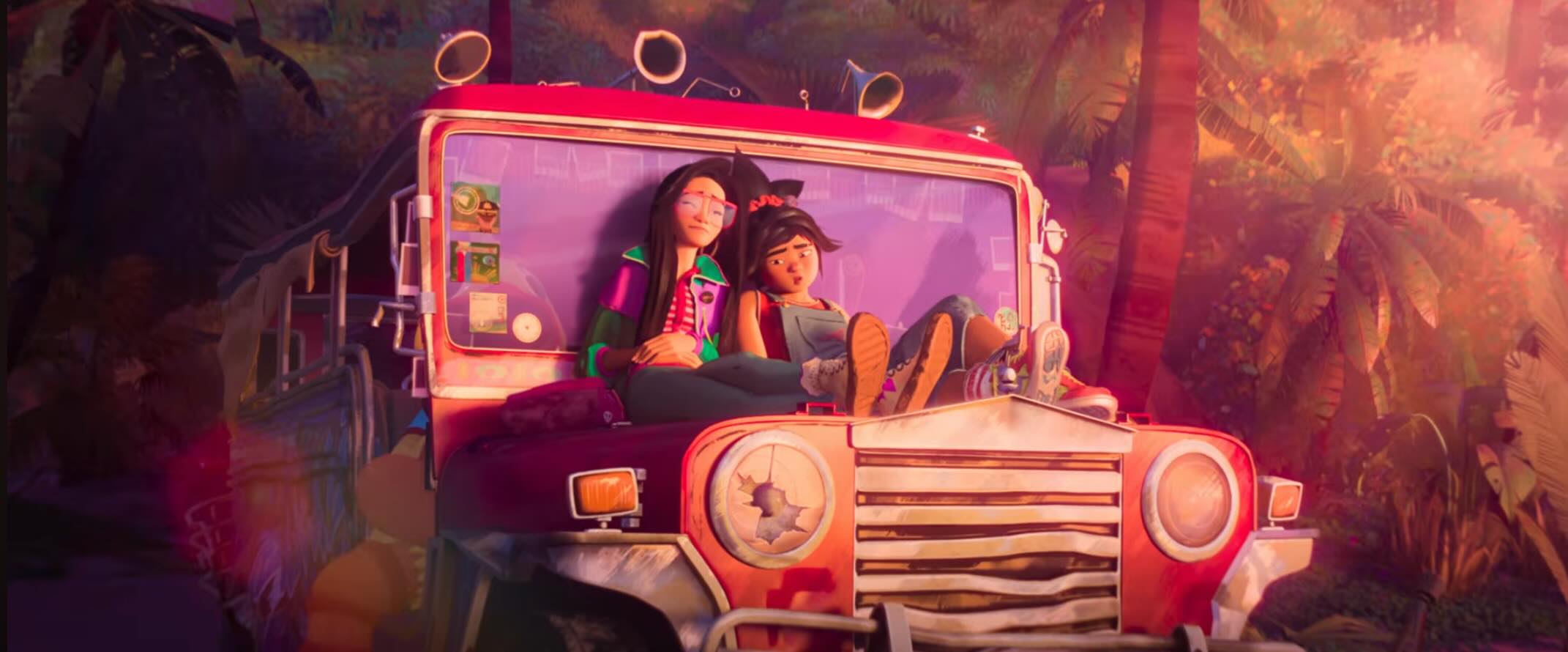
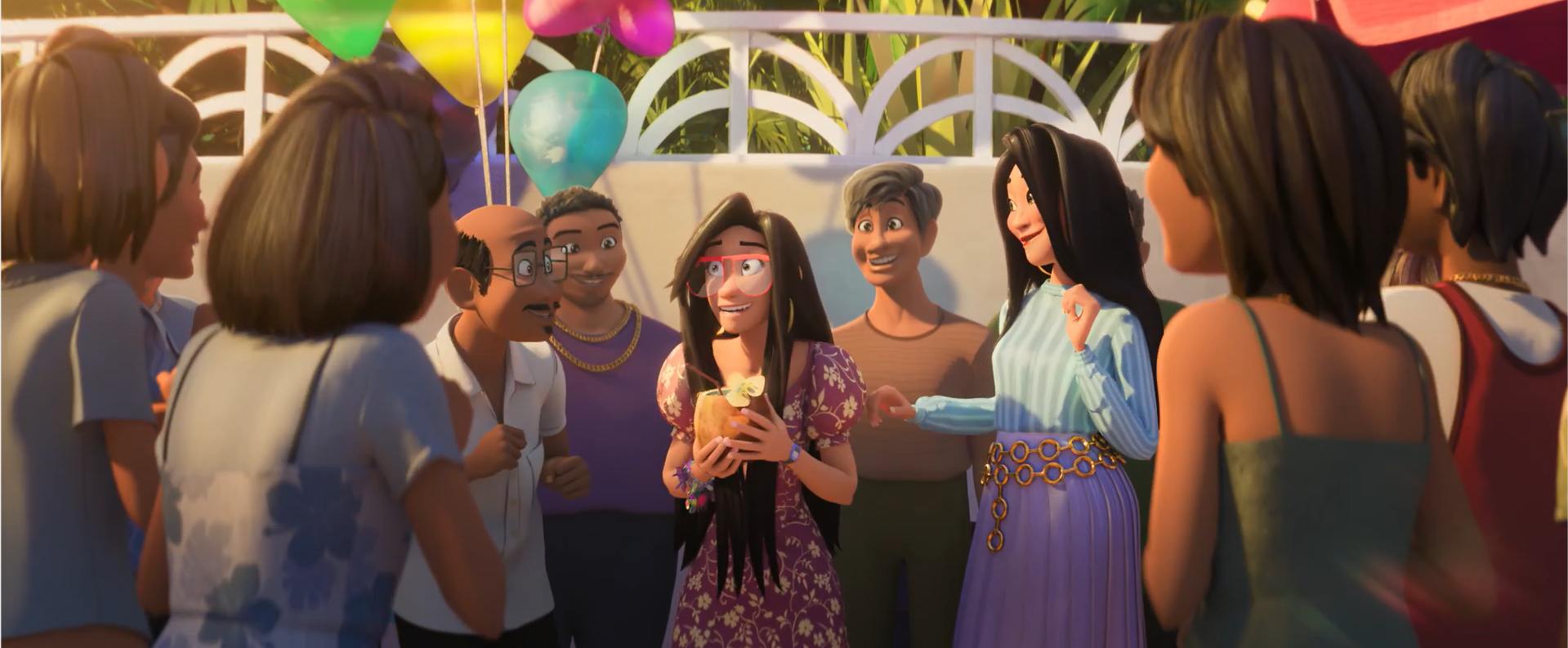
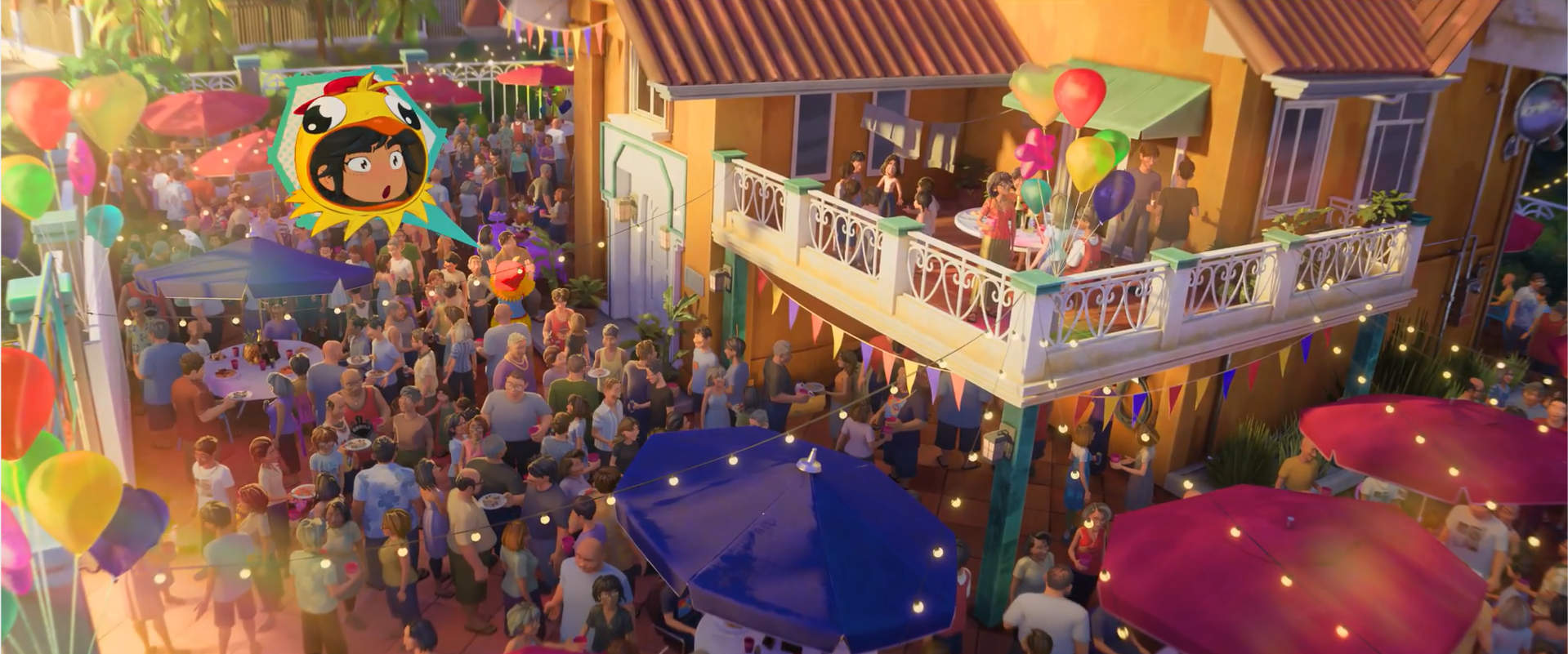
The warm, nostalgic 1990s Filipino neighborhood where Jo and Raissa grew up full of family gatherings, karaoke, snacks, and everyday rituals that define home.
Cultural references, language, folklore, food, and everyday details that ground the film in Filipino life.
A respectful expression traditionally said when passing through a place believed to be inhabited by unseen spirits. It means, in effect, excuse me or please let me pass.
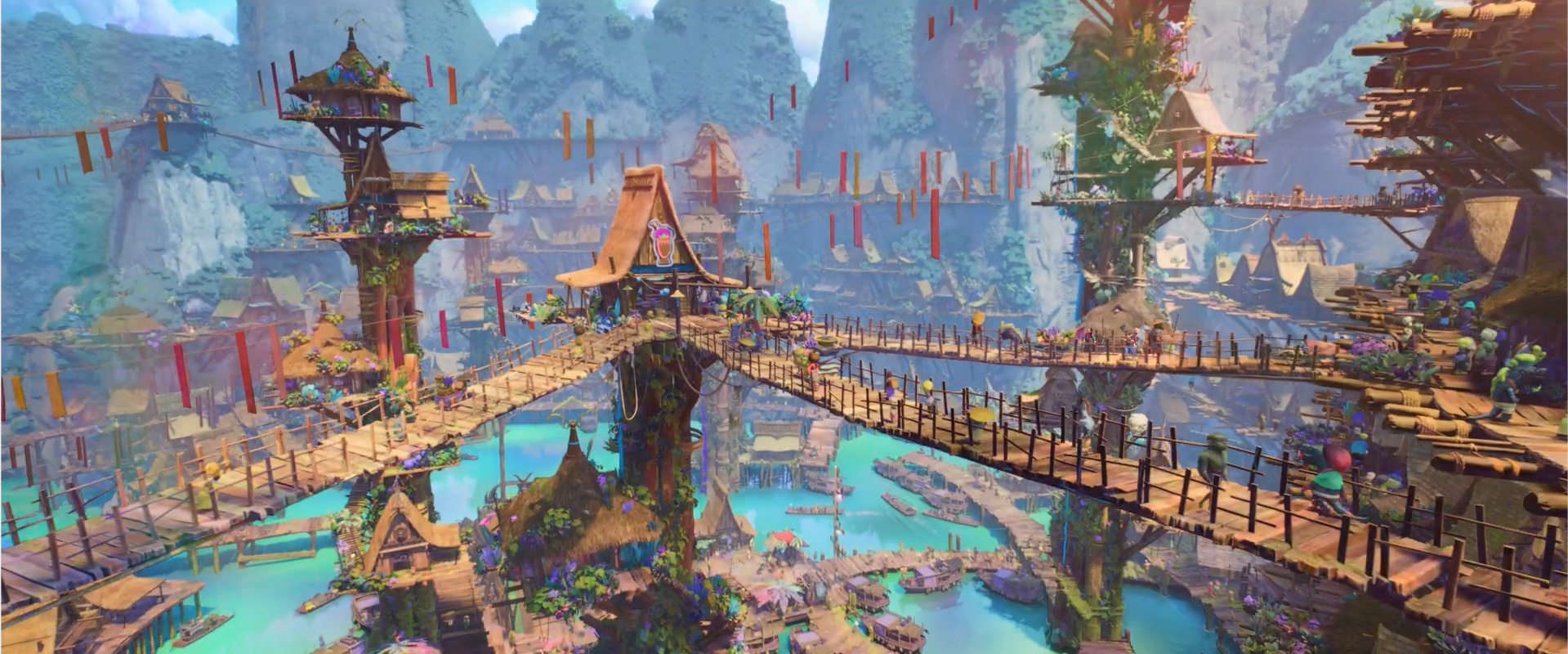
The hidden magical world in the film. Its name is shortened from nakalimutan, meaning forgotten, connecting the world to the film's title and Filipino roots.
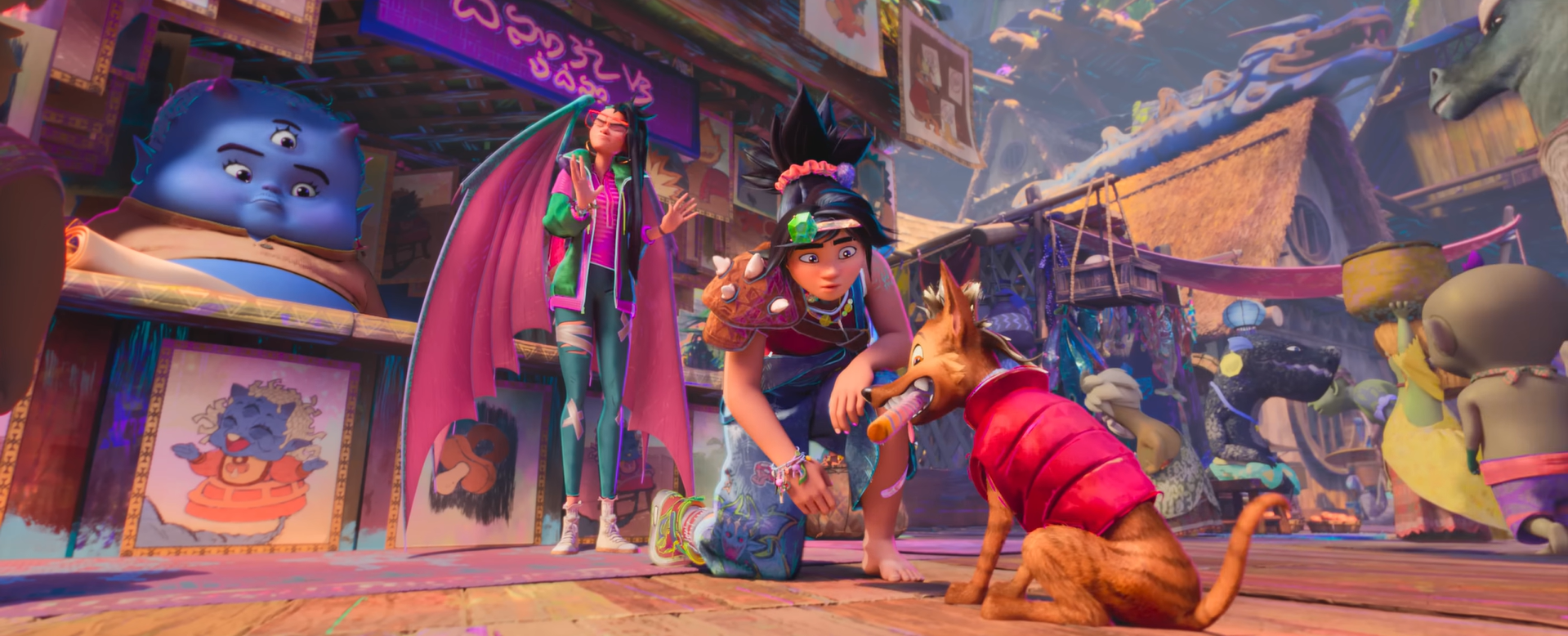
An ancient Philippine writing system traditionally used by Tagalog and other native communities.
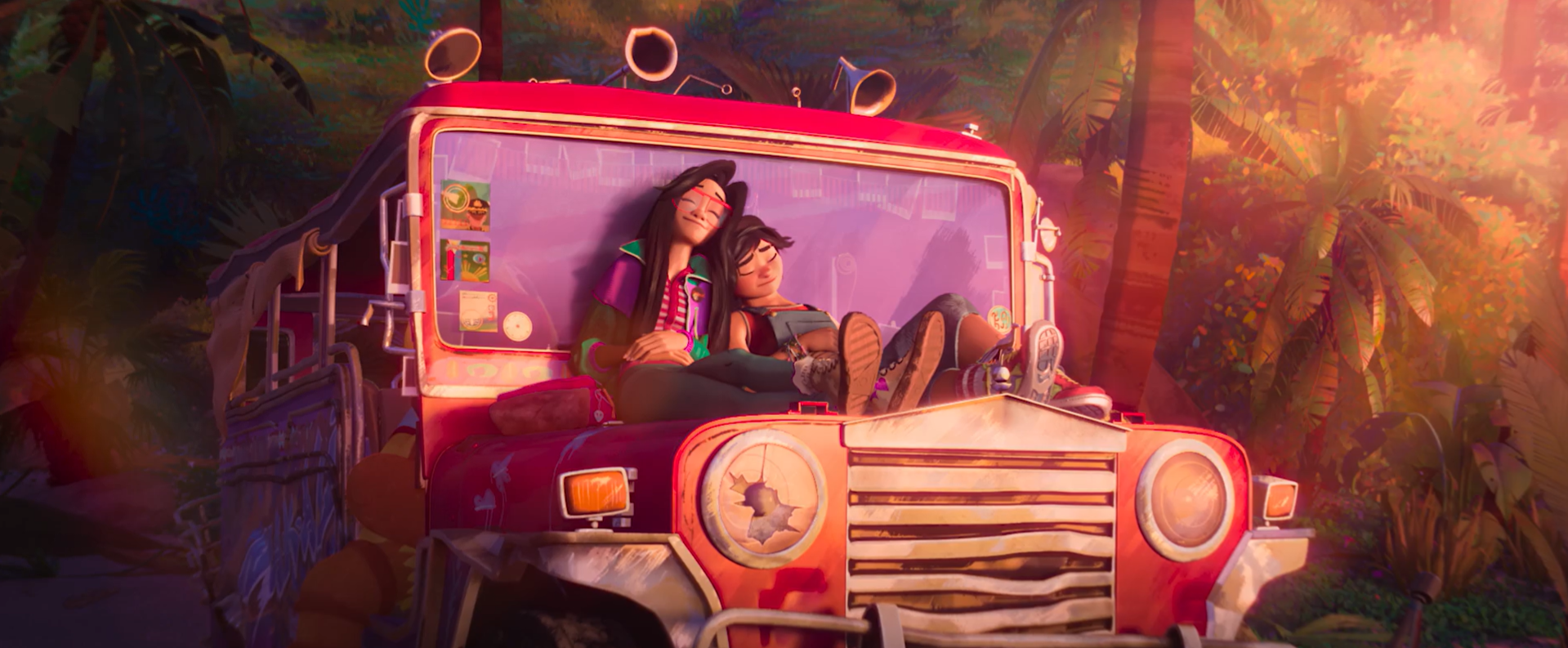
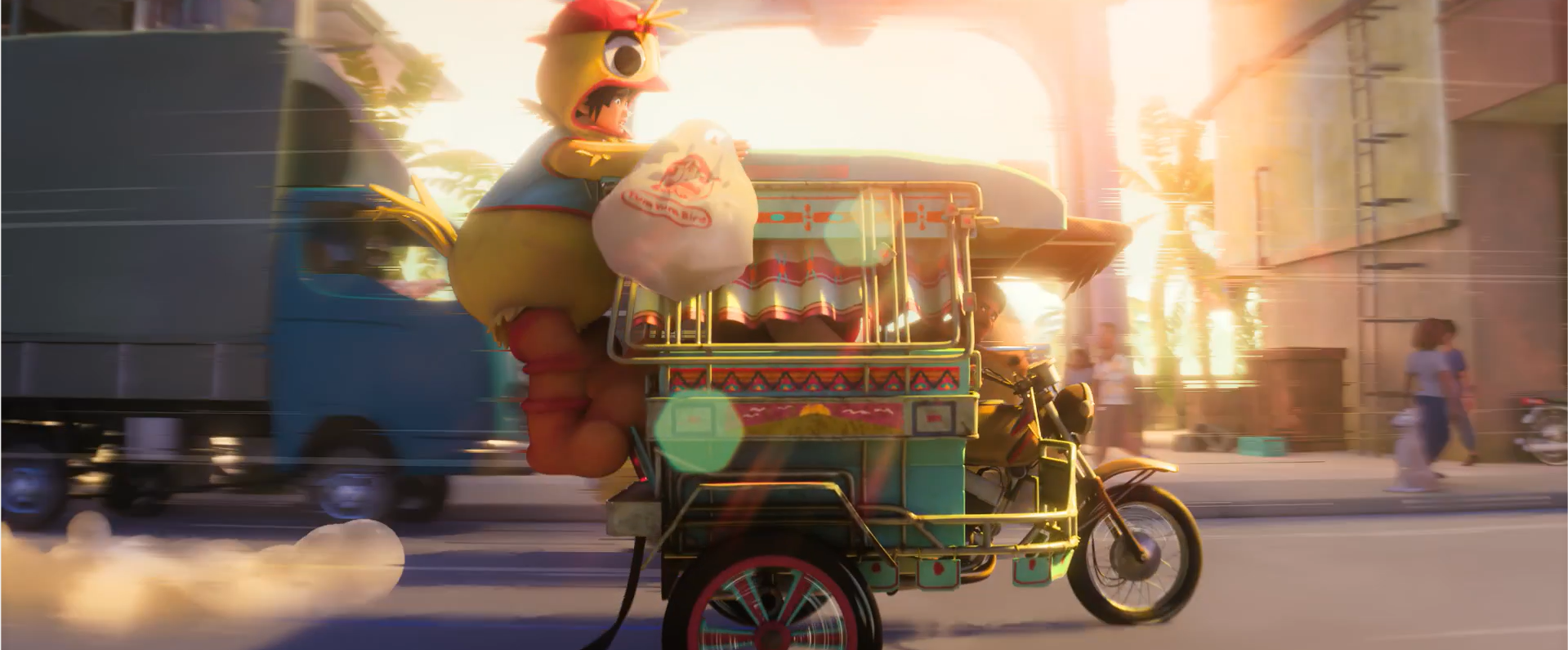
An iconic Philippine form of public transportation known for colorful designs and a distinctive place in everyday Filipino life.
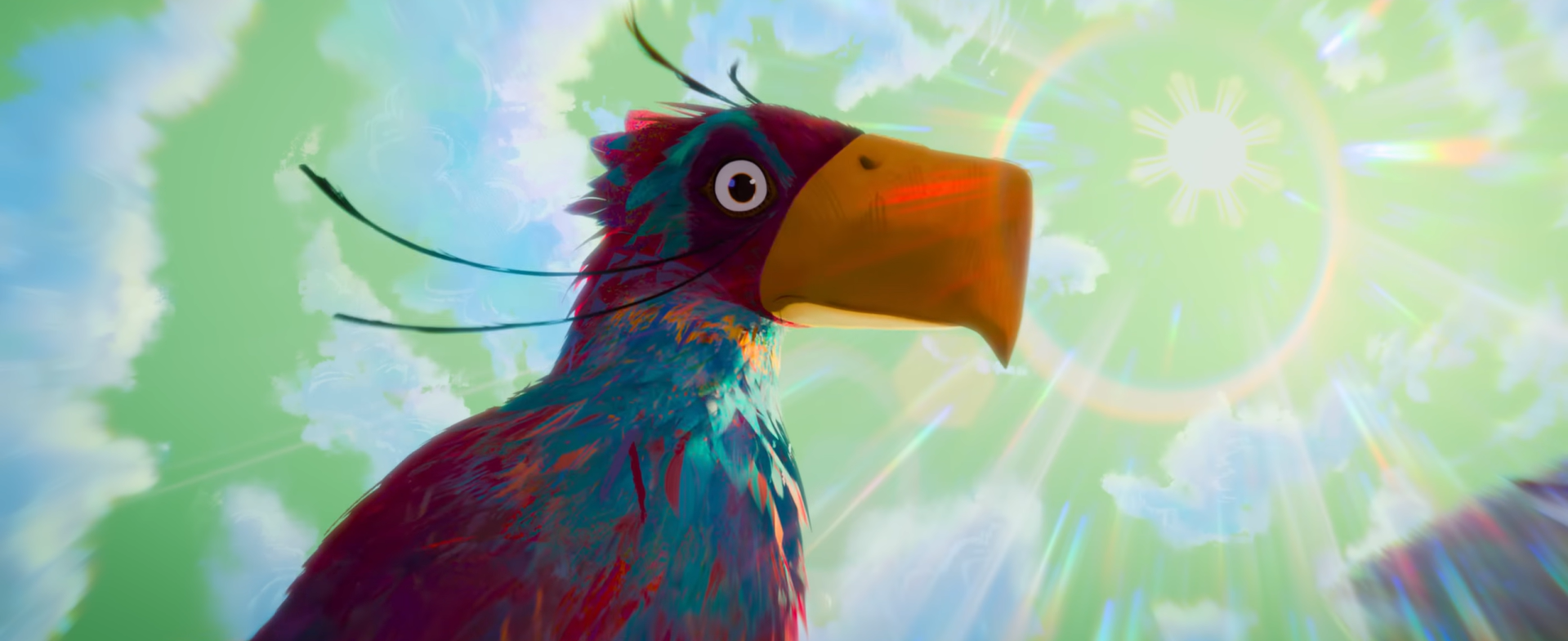
A legendary, colorful bird from Maranao culture, known for vibrant feathers and detailed okir designs.
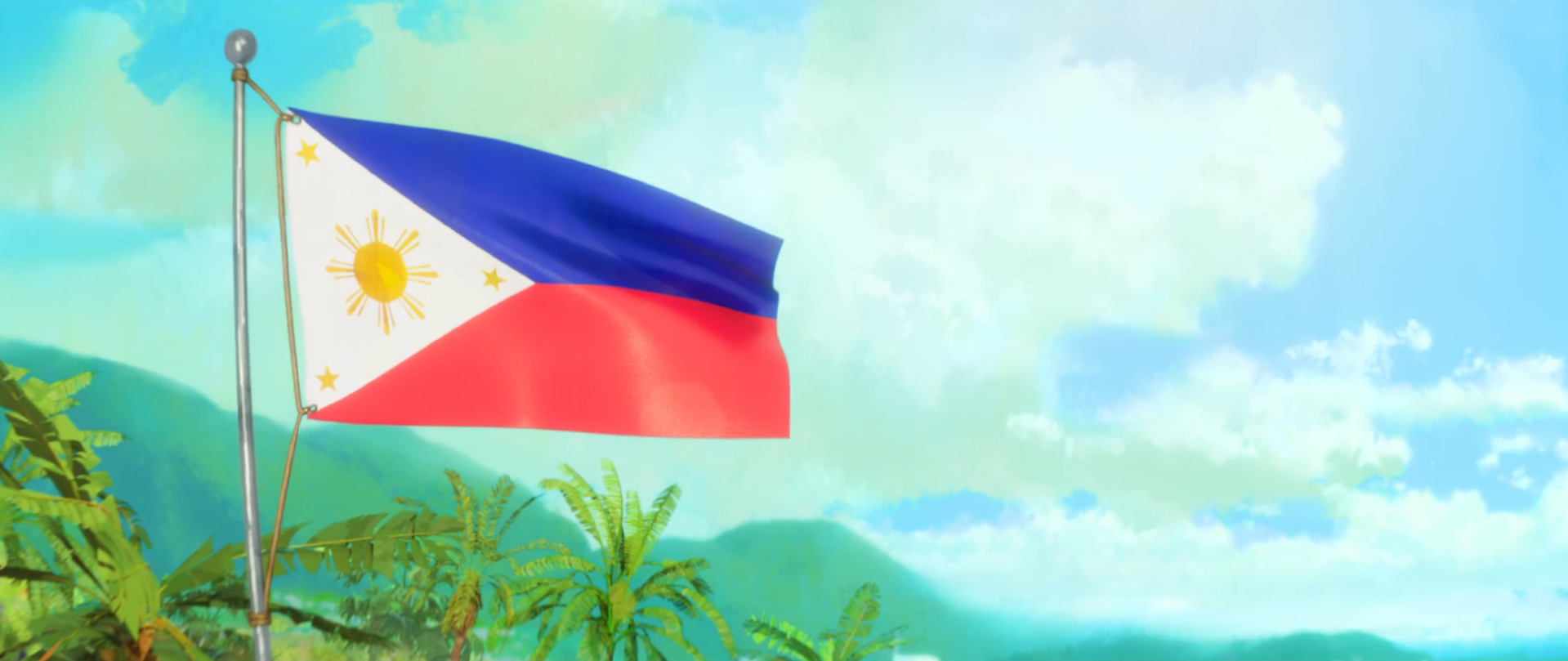
The sun on the Philippine flag represents freedom and independence. Its eight rays represent the first eight provinces that rose against Spanish colonial rule.
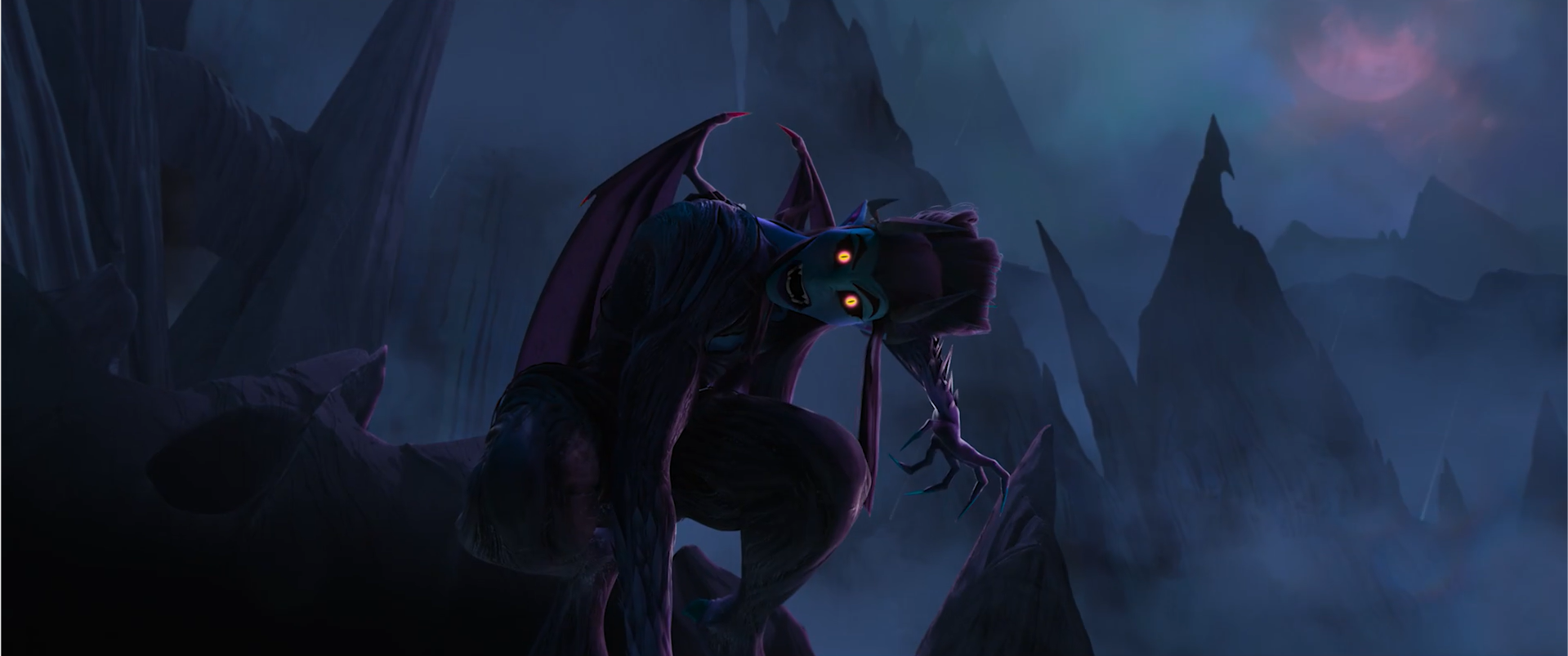
A fearsome folkloric creature that can separate its upper body from its lower body and fly at night in search of prey. In the film, Manang is voiced by Lea Salonga.
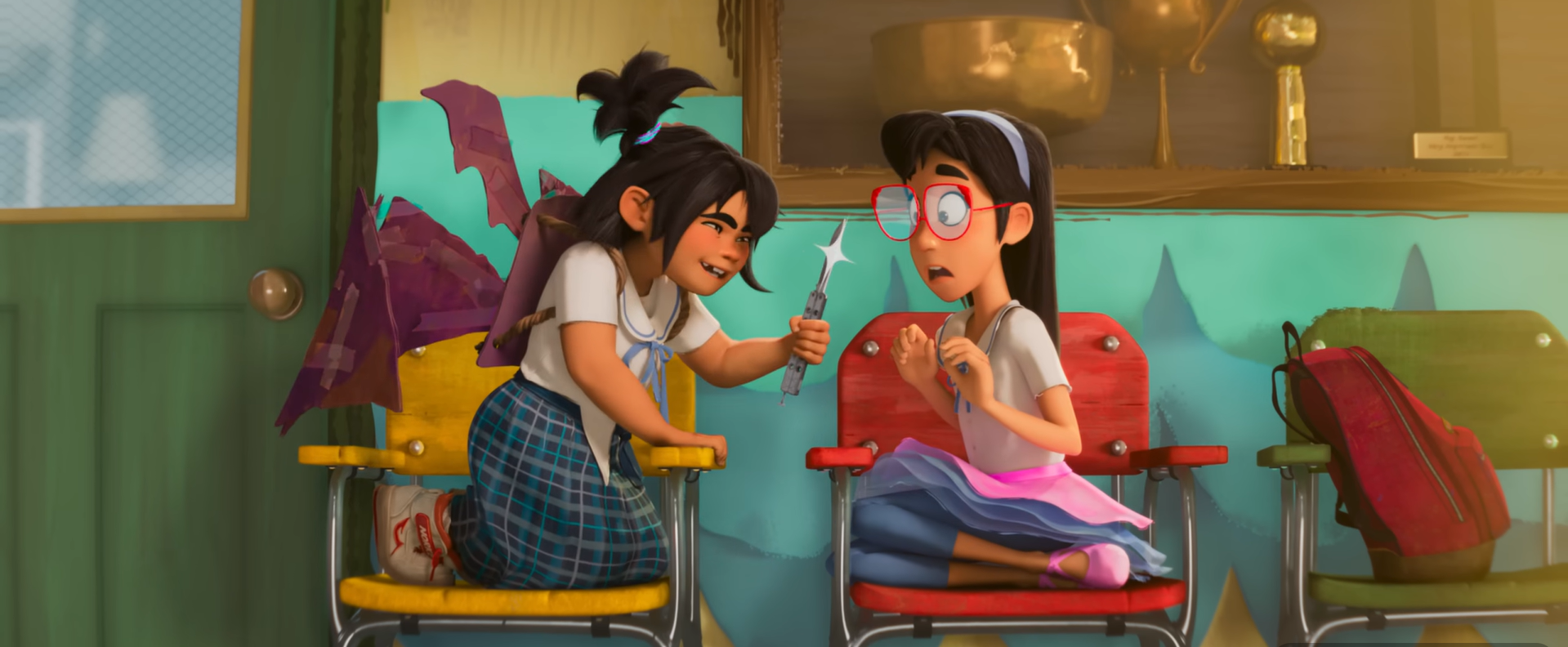
A traditional Filipino folding knife, also known as a butterfly knife, with deep roots in Batangas, particularly Taal.
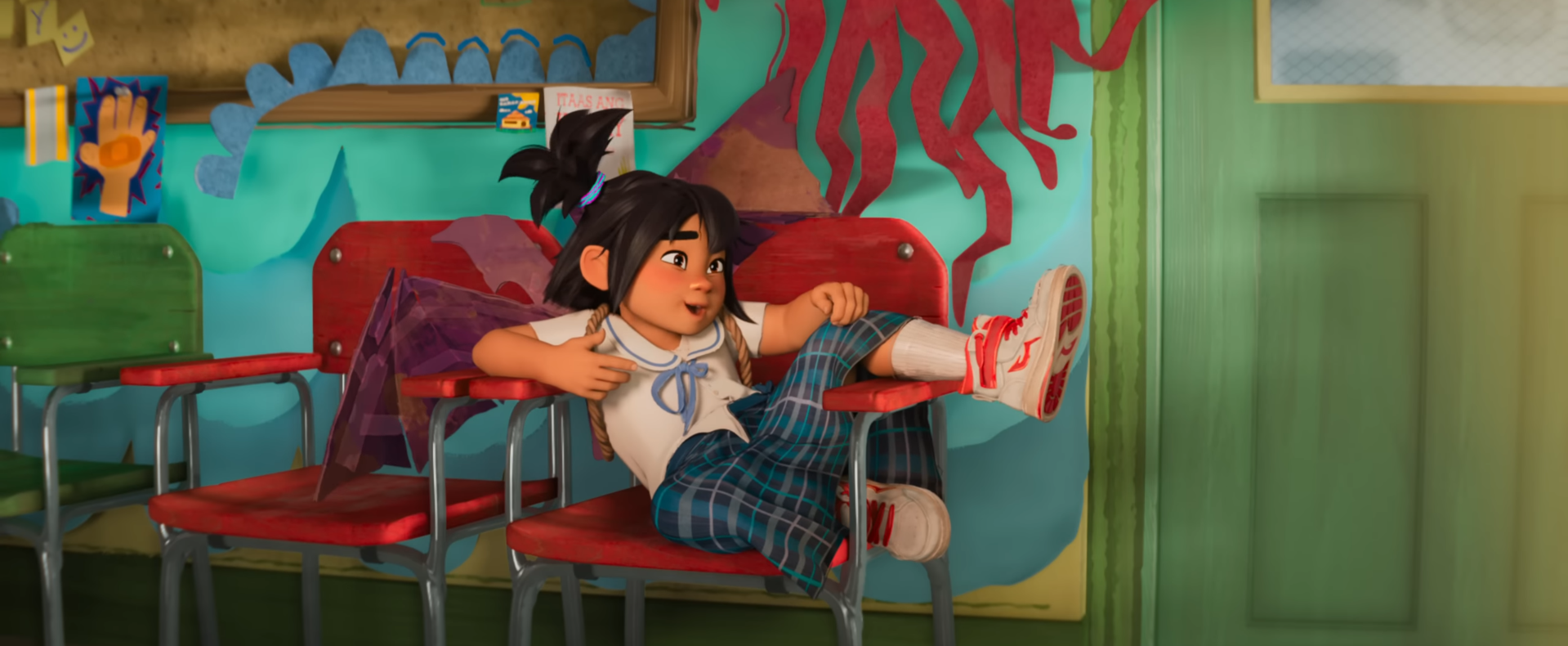
A familiar symbol of Filipino student life: often a white blouse, pleated or checkered skirt, white socks, and black shoes.
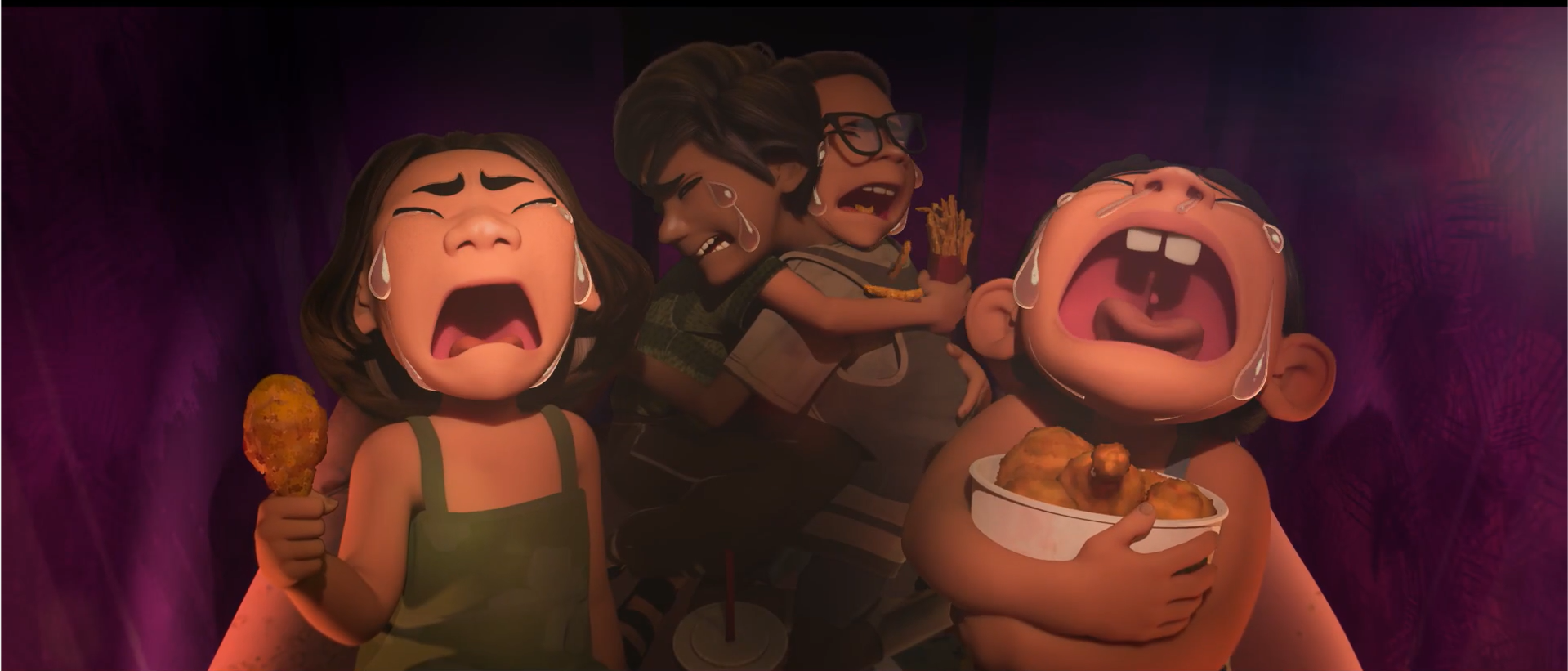
A collection of memories capturing Filipino family life and celebrations.
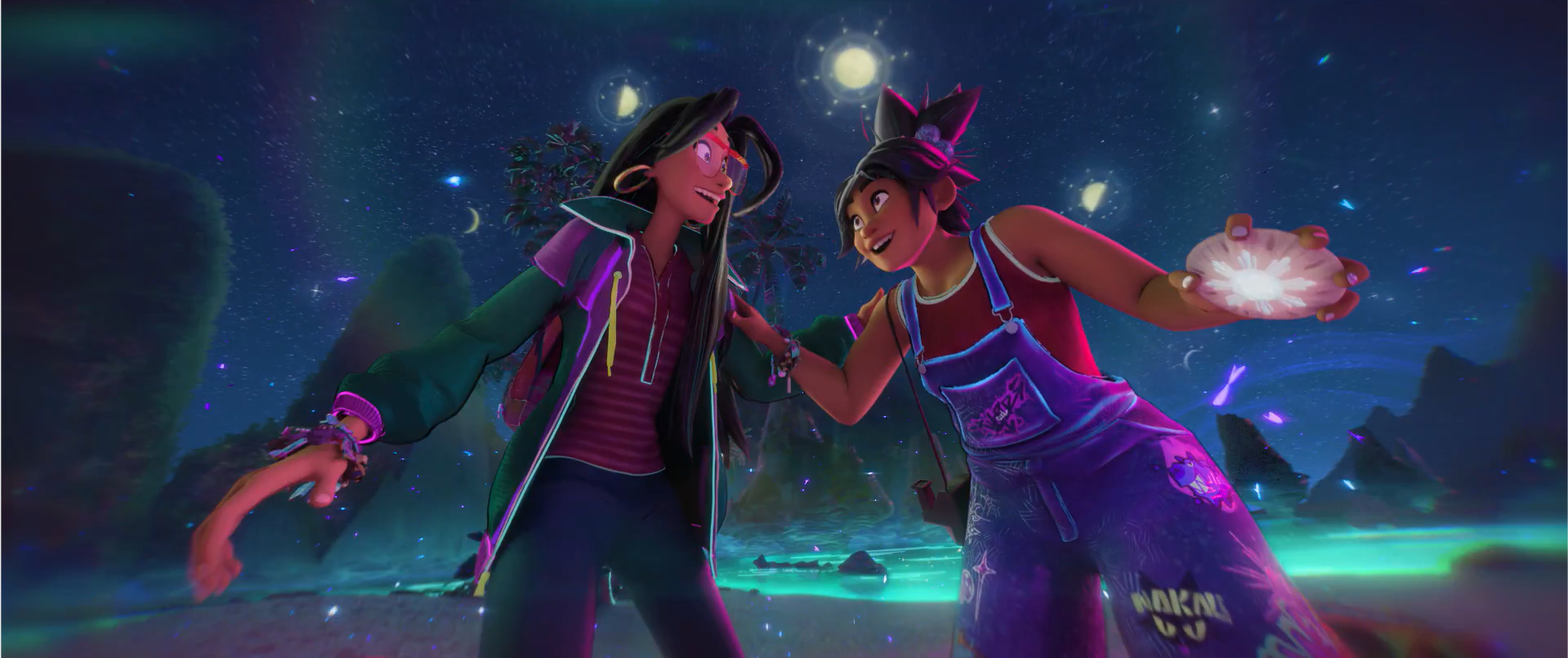
Explore the musical journey across Nakali and the 1990s Philippines
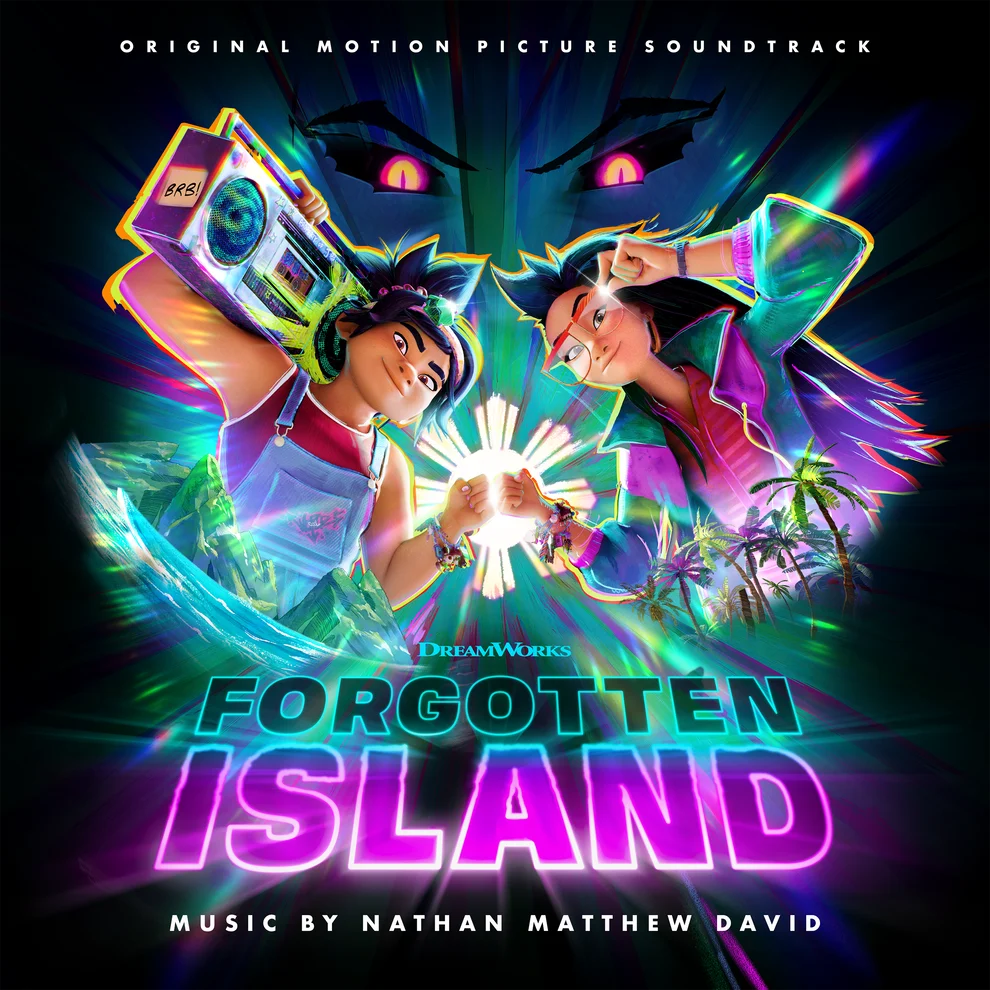
BINI
BINI & Lea Salonga
H.E.R. & Liza Soberano
SB19
Sophia Laforteza
Carl Angelo & Ruby Ibarra
BINI